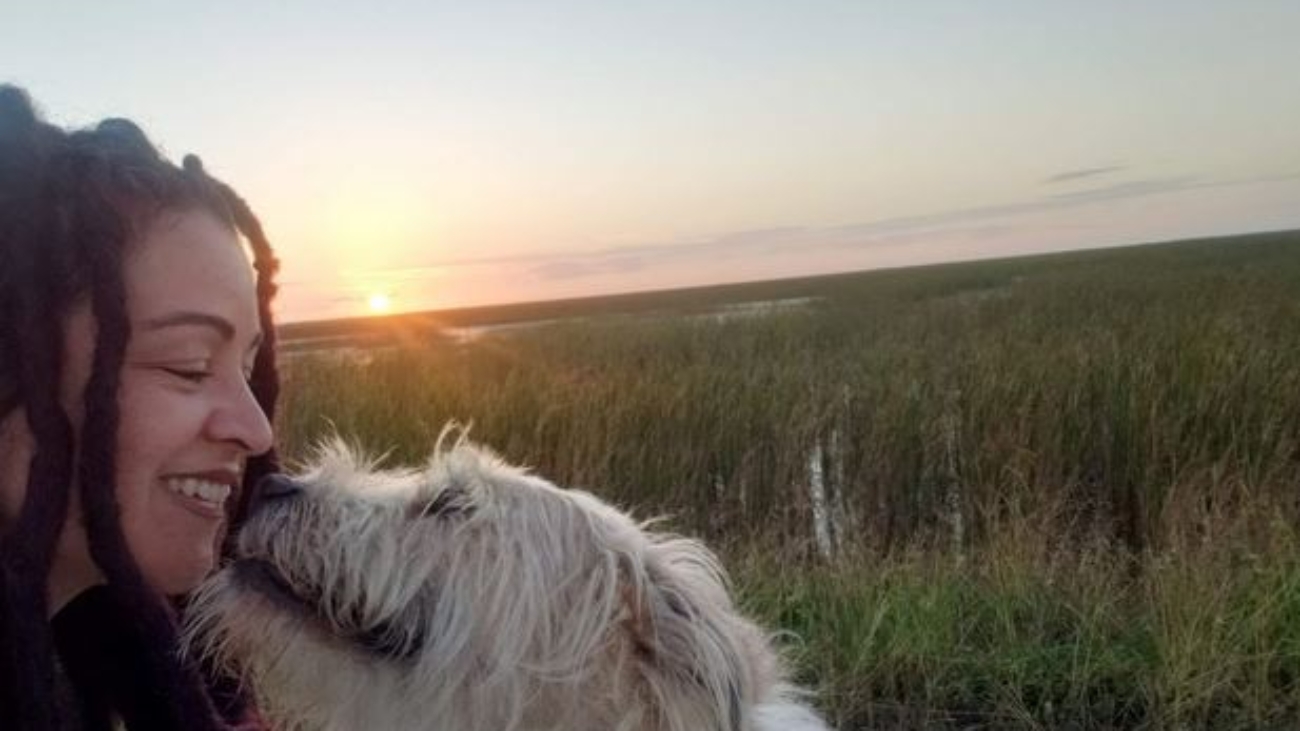
HOW TO INTERPRET YOUR DOG’S BODY LANGUAGE, FACIAL EXPRESSIONS AND VOCALIZATIONS
There are many different ways to tell how your dog is feeling and what they are communicating to you or another animal. Learning how to differentiate between each stance, expression, and sound will help you understand your dog so much better. Dogs can’t talk, so they communicate through body language, facial expressions, and vocalizations. Here are some examples of dispositions and examples of how the dog might react:
ALERT
Ears: Perked up. Turning like antennas to catch sound
Eyes: Open normally or wide
Mouth/teeth: Mouth closed or slightly open with teeth covered
Body: Normal. Possibly standing on tiptoe. Slightly dominant position
Tail: Up and possibly wagging
Vocalization: None, low whine, or a small bark that is somewhat continuous
AGGRESSION
Ears: Back and close to the head
Eyes: Narrow or staring thepe
Mouth/teeth: Lips open and drawn back to expose teeth bared in a snarl. Possible jaw snapping.
Body: Tense, upright in a complete dominant position. Hackles, which are the hairs that stand up on the back of the neck are up.
Tail: Straight out from the body and it is fluffed up.
Vocalization: Snarl, growl, and a load bark.
ANXIOUS
Ears: Partially back
Eyes: Slightly narrowed
Mouth/teeth: Mouth closed or slightly open in a grin
Body: Tense and slightly lowered in a submissive position
Tail: Partially lowered
Vocalization: Low whine or moaning-type bark.
CHASE, BEGINNING STAGE
Ears: Perked up and forward pointing
Eyes: Wide opened and very alert
Mouth/teeth: Mouth is slightly opened with an excited panting
Body: Tense, crouched low in a predatory position. Legs bent and poised to run
Tail: Extended straight out from the body.
Vocalization: None
PREDATORY
Ears: Alert and held forward or backward to catch sounds.
Eyes: Wide open, staring and focusing.
Mouth/teeth: Mouth closed
Body: Rigid and low to the ground, ready to spring forward. They are quietly sniffing the air.
Tail: Straight and low.
Vocalization: None, so the prey won’t be alerted.
CURIOUS/EAGER/EXCITED
Ears: Perked up in a forward-pointing
Eyes: Wide open
Mouth/teeth: Mouth open, teeth covered with possible panting
Body: Normal stance with possible wiggling, standing on their back legs, or pacing
Tail: Up and wagging
Vocalization: Excited short barking and whining
DOMINANT
Ears: Up and straight or forward
Eyes: Wide open and staring
Mouth/teeth: Mouth closed or slightly open
Body: Very tall posture and the hackles may be up.
Tail: Stiffened and fluffed. Up or straight out from the body
Vocalization: Low assertive growl or grunt.
SUBORDINATE (SUBMISSIVE)/FEARFUL
Ears: Down and flattened against the head
Eyes: Narrowed to slits or wide open, whites showing.
Mouth/teeth: Lips pulled way back from teeth in a grin. Nuzzling or licking other animals or people on the face.
Body: Lowered to the ground with the front paw raised, lying on their back with their belly up, possibly piddling, which is urine leaking.
Tail: Down and between the legs.
Vocalization: None or a low worried whining. Possible whining/yelping in fear.
PLAYFUL/FRIENDLY/HAPPY
Ears: Perked up, forward, or relaxed
Eyes: Wide open and alert with a sparkly/merry look
Mouth/teeth: relaxed, slightly opened with some excited panting
Body: Normal posture, relaxed, possibly their butt is wiggling, the front end of their body is lowered, rear end is up in the air in a play-bow. Excited bouncing and jumping up and down. Circling around and running forward in an invitation to play.
Tail: Wagging vigorously
Vocalization: Excited barking, soft play growling, yapping, or a short, high bark.
References by http://www.amazon.com/Teach-Your-Dog-Behave-Solutions/dp/B0027MPM8O/ref=sr_1_1?ie=UTF8&s=books&qid=1307220928&sr=8-1